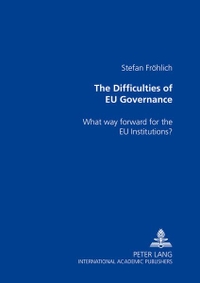
Mit zahlreichen Abbildungen. The book provides an account of the EU's institutional evolution and the current reform debate. It identifies the challenges in view of imminent enlargement and the launch of the draft Constitution by the Convention on the Future of Europe. Special attention is given to the institutional issues involved in the current round of treaty reform. In light of the Convention's proposals the author concludes that the idea of a dramatic overhaul of the EU system of governance is not realistic. In the years to come it is quite unlikely that the Council machinery could leave all executive functions to the Commission and become only a legislative body - a second house to the present European Parliament. Rather the current tendencies at the European level suggest that there are valid reasons why the Council and notably the European Council could perform the role of a European government.
Heike Geißler: Michaela Kohlhaas "Das Rechtgefühl machte ihn zum Räuber und Mörder." So erzählt es Heinrich von Kleist in seiner gleichnamigen Novelle über den Pferdehändler Michael Kohlhaas, der nach erlittenem… Robert Seethaler: Die Straße Die Straße ist nicht im Zentrum der Stadt und nicht an ihrem Rand. Versteckt liegt sie irgendwo dazwischen. Kein Besucher würde sich dorthin verirren, und doch passiert in… Petra Morsbach: Orion Nora lernt bei einem Studentenjob ihren späteren Mann kennen, einen Archivar. Sie wird Lehrerin für Deutsch und Geschichte in einem oberbayerischen Gymnasium, zieht einen… Florian Illies: Träume aus Feuer Tauchen wir ein in die großen Träume eines großen Mannes: Johannes Kunckel ist ein Magier und Alchemist, der daran glaubt, Gold zaubern zu können. Der brandenburgische Kurfürst…




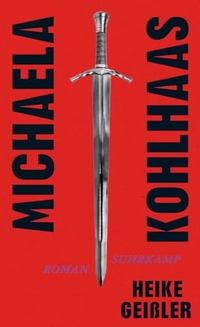 Heike Geißler: Michaela Kohlhaas


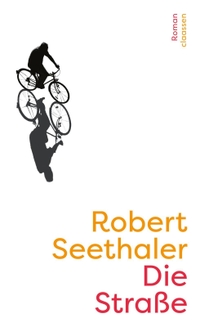 Robert Seethaler: Die Straße
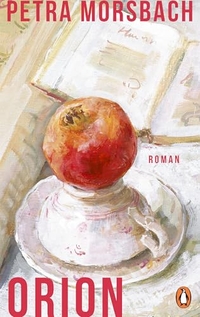 Petra Morsbach: Orion
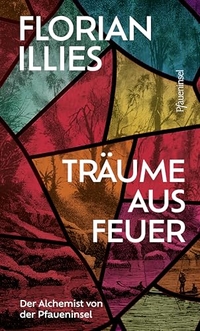 Florian Illies: Träume aus Feuer