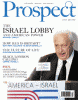
In der
Cover Story erklärt
Michael Lind, wie die amerikanische
Israel-Lobby die Öffentlichkeit und die
Nahostpolitik der USA beeinflusst. So präsentiere etwa selbst die seriöse
US-Presse (wie die NYTimes, Washington Post etc.) den arabisch-israelischen Konflikt oft jenseits jedweden historischen oder politischen Kontextes. "For example, most Americans do not know that
the Palestinian state offered by Barak consisted of several Bantustans, criss-crossed by Israeli roads with military checkpoints. Instead, most Americans have learned only that the Israelis made a generous offer which Arafat inexplicably rejected. To make matters worse, the
conventions of reporting the Arab-Israeli conflict in the mainstream press typically portray the Palestinians as aggressors-'In response to
Palestinian violence, Israel fired missiles into Gaza.' No reporters ever say, 'In response to
Israel's three-decade occupation of the West Bank and Gaza, Palestinian gunmen fought back against Israeli forces.'" Was es dringend bräuchte, so Lind, sei eine
Debatte zwischen denjenigen, die das Israel-Engagement mit dem Verhalten Israels hinsichtlich
amerikanischer Moralvorstellungen verknüpfen wollten, und solchen, die dazu nicht bereit seien.
Brian Sewell und Matthew Collings
diskutieren im
Prospect über
junge britische Kunst und die Schwierigkeiten der
Kunstkritik. Schwierig hin oder her, erklärt ein tüchtig erhitzter Sewell, nur ja keinen Fußbreit der öffentlichen Meinung: "If the National Gallery were in the hands of
popular opinion it would be filled with the works of
LS Lowry and
Beryl Cook. We need the Reithian view, always
pitching above the heads of the ignorant so that we can draw them on (not below, so that they feel comfortable). I want those who know nothing about art to be fed with
caviar and oysters, so to speak, to acquire taste, to feel the heart stop at a sight too beautiful to bear, to sense a thrill as powerfully as a
kick in the stomach."
Weitere Artikel: Lennie James
nimmt die Festnahme des englischen
Rappers Ashley Walters ("So Solid Crew") wegen Waffenbesitzes zum Anlass, auf den latenten
Rassismus im Land aufmerksam zu machen. Paul Broks
erzählt, wie
Einsteins Hirn einst auf Reisen ging - in Keks- und
Tupperdosen! 




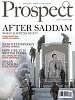 Prospect verspricht, den Irak "after Saddam" vorzustellen und tut das mit zwei langen Aufsätzen von Kanan Makiya und James Fallows,
  Der wahrscheinlich interessanteste Artikel in dieser Ausgabe ist nur in der Print-Version zu lesen: Ian Burumas Antwort auf die Frage, "why did Eric Hobsbawm remain loyal to the blood-soaked communist cause for so long?"
  Nick Crowe, der ehemalige Drummer der Britpop-Band Gay Dad,
  In der
  Über die Parteispende des britischen Zeitungs- und Pornoverlegers Richard Desmond an Labour und die Folgen dieses Hunderttausend-Pfund-Geschäfts macht sich John Lloyd
  Den "Kollaps aller Werte" nicht durch die Bio-, sondern durch die Neurotechnik erwägt Paul Broks in einem
  Eine
Eine